The technical name is late-onset hypogonadism, the gradual drop in testosterone starting around 40. Unlike menopause, it does not happen to every man and has no set date. The symptoms are low drive, falling libido, workouts that stop paying off, a growing belly, worse sleep and failing focus. It is underdiagnosed because men do not talk about it.
"Andropause" is the popular nickname; medicine calls it late-onset male hypogonadism, and the difference in name matters. Menopause is universal and has a clear milestone. In men, testosterone falls slowly, about 1% per year starting in the 30s and 40s, and only a portion of men develop a symptomatic drop that deserves this diagnosis. In other words: it is real, but it is not every man's fate, and precisely because it is gradual, it goes unnoticed.
The symptoms men do not talk about
- •Low drive and fading motivation. Testosterone talks directly to dopamine, the neurotransmitter of initiative. When it falls, a man does not get sad: he loses the will to act. Many get labeled with depression without ever having their hormones measured.
- •Falling libido and less reliable erections. The most specific sign, and the least discussed in the doctor's office.
- •Workouts that stop paying off. Stalled strength, slow recovery, muscle mass slipping away despite the effort.
- •A growing belly. Low testosterone favors visceral fat, and visceral fat converts testosterone into estrogen, feeding the very problem. It is a cycle that feeds itself.
- •Worse sleep, worse focus, irritability. The cognitive package men blame on work and age, until someone measures.
At what age it starts
When it happens, signs usually appear from age 40 to 50. But obesity, diabetes, sleep apnea, alcohol and chronic stress knock testosterone down at any age: there are 35-year-olds with the full picture and 65-year-olds with excellent levels. Lifestyle weighs as much as the calendar.
What to do with the suspicion
Not buying some "booster" off a supplement shelf. It is measuring the right way: total testosterone (and free testosterone when indicated) drawn in the morning, confirmed with a second measurement, as endocrinology guidelines require, alongside the map of everything else: thyroid, insulin, sleep. Before replacing anything, understand why it fell. Sometimes treatment starts with sleeping, training and fixing the metabolism, and the hormone thanks you for it.
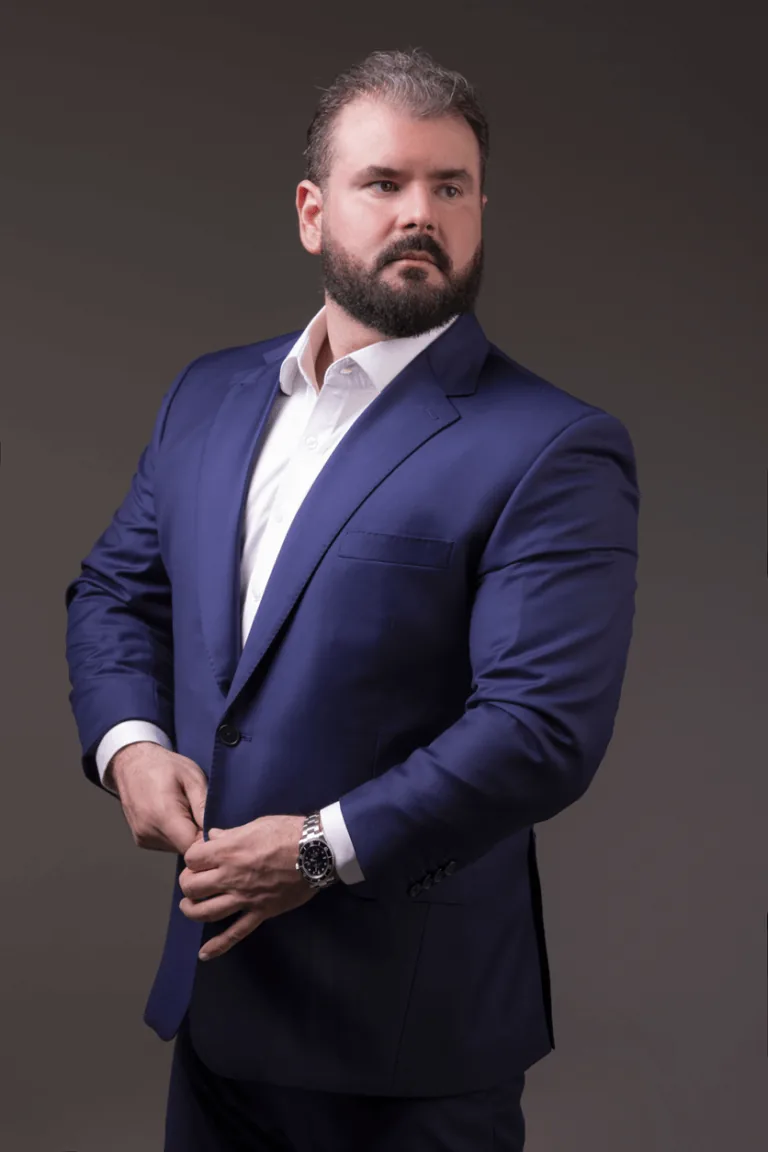
Dr. Diego Rios · CRM-PI 8347 (Brazilian medical license)
Root-Cause Medicine: sleep, hormones, weight and anxiety treated as one system. Creator of the Reactiva Method. Five postgraduate degrees: Family Medicine, Endocrinology and Metabolism, Nutrology, Sports Pharmacology and General Ultrasonography.
The answer is not one more isolated lab test. It is reading the system.
Medicine is one. The body does not divide itself into specialties: the model does. When each symptom goes to a different office and each doctor sees one piece, you spend years circling between referrals, holding reports and missing answers. In that back-and-forth, you lose time and health.
Precise diagnosis and treatment come from the opposite path: understanding everything and going deep into one patient. Sleep, hormones, weight, energy and mind interpreted together, because that is how the body works.
Dr. Diego Rios, CRM-PI 8347
Educational content. It does not replace individual medical evaluation and is not a prescription. Patient care is provided in Portuguese.