The fear comes from a 2002 study that has since been revisited. The current consensus of gynecology and endocrinology societies is that, for a symptomatic woman with no contraindication and close to menopause, the benefits of hormone therapy usually outweigh the risks. The right answer is neither yes nor no: it is individual evaluation.
Few questions carry so much inherited fear. In 2002, the WHI study was halted and the headline "hormone replacement causes cancer" went around the world. Millions of women dropped their treatment, and a generation of doctors started denying hormones by reflex.
The two decades since have revised that story. Later analyses showed the risk depended heavily on who was taking it, what, and when they started. Today the international societies of menopause, gynecology and endocrinology converge on one point: for a symptomatic woman, without contraindication, who starts close to the transition (the so-called window of opportunity, generally before 60 or within the first 10 years of menopause), hormone therapy is the most effective treatment for the symptoms, and the benefits tend to outweigh the risks.
What is true about the risk
- •The risk is not zero and it is not the same for everyone. It depends on the type of hormone, the route (pill or through the skin), the dose, the duration of use and your personal and family history.
- •Real contraindications exist. Prior breast cancer, thrombosis and a few other conditions completely change the conversation. That is why there is no internet answer: there is evaluation.
- •Context matters. Everyday factors, like alcohol and excess weight, also influence breast cancer risk, and almost nobody fears them the way they fear hormone therapy. Fear out of proportion to the numbers is not prudence, it is misinformation.
What is myth
That "all hormones cause cancer" and that suffering hot flashes, insomnia and depression for years is the natural price of aging. Denying evaluation to a symptomatic woman out of fear inherited from 2002 also has a cost: in sleep, bone, mood and quality of life.
The right path
Neither hormone advertising nor scare tactics. Individual evaluation with someone who masters the subject: your history, your labs, your contraindications, your preference. The decision is built case by case, and revisited over time. Educating is this; prescribing is another step, and it is individual by definition.
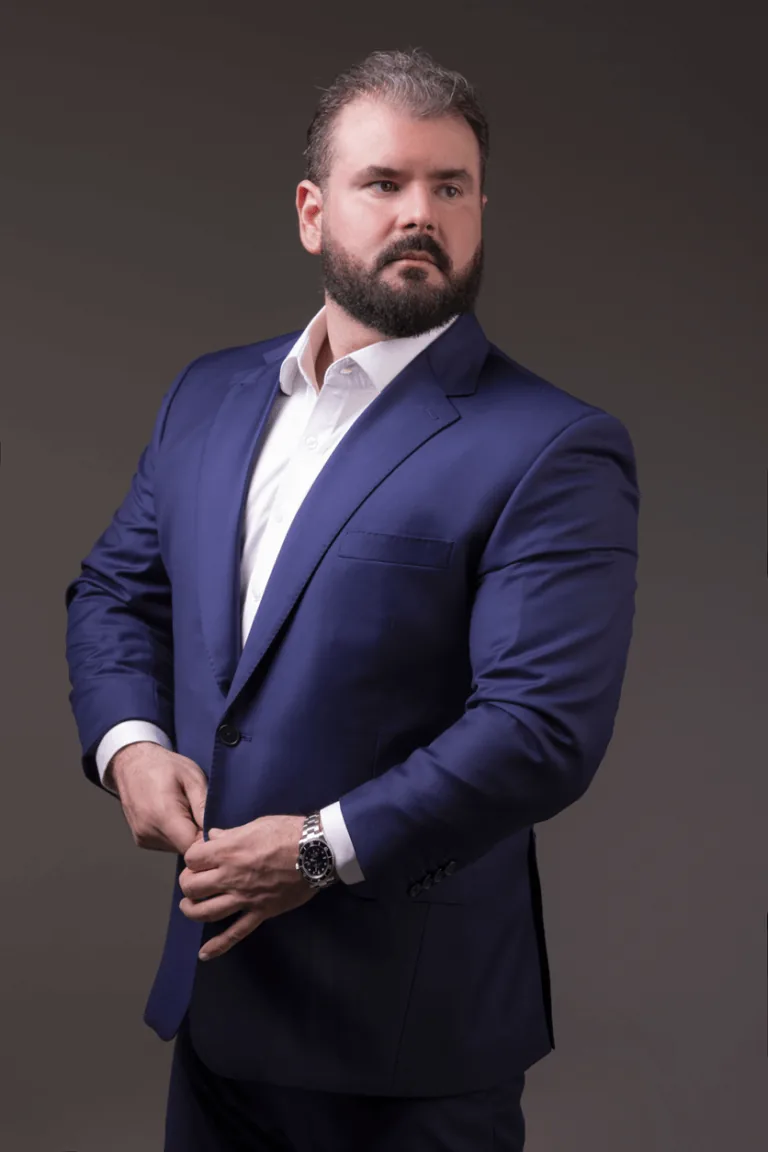
Dr. Diego Rios · CRM-PI 8347 (Brazilian medical license)
Root-Cause Medicine: sleep, hormones, weight and anxiety treated as one system. Creator of the Reactiva Method. Five postgraduate degrees: Family Medicine, Endocrinology and Metabolism, Nutrology, Sports Pharmacology and General Ultrasonography.
The answer is not one more isolated lab test. It is reading the system.
Medicine is one. The body does not divide itself into specialties: the model does. When each symptom goes to a different office and each doctor sees one piece, you spend years circling between referrals, holding reports and missing answers. In that back-and-forth, you lose time and health.
Precise diagnosis and treatment come from the opposite path: understanding everything and going deep into one patient. Sleep, hormones, weight, energy and mind interpreted together, because that is how the body works.
Dr. Diego Rios, CRM-PI 8347
Educational content. It does not replace individual medical evaluation and is not a prescription. Patient care is provided in Portuguese.